Means: Out of control, wild with rage or excitement.
Etymology: From Old Norse berserkr, the Viking warriors who fought in a trance-like frenzy. It most likely means "bear-shirt," for the bearskins they wore. Sir Walter Scott brought it into English in his 1822 novel The Pirate, though he guessed wrong and thought it meant "bare-shirt," as in fighting without armor.
"Tell him the Bears blew another fourth-quarter lead and watch him go berserk."
Design of the day
Braun functionalism
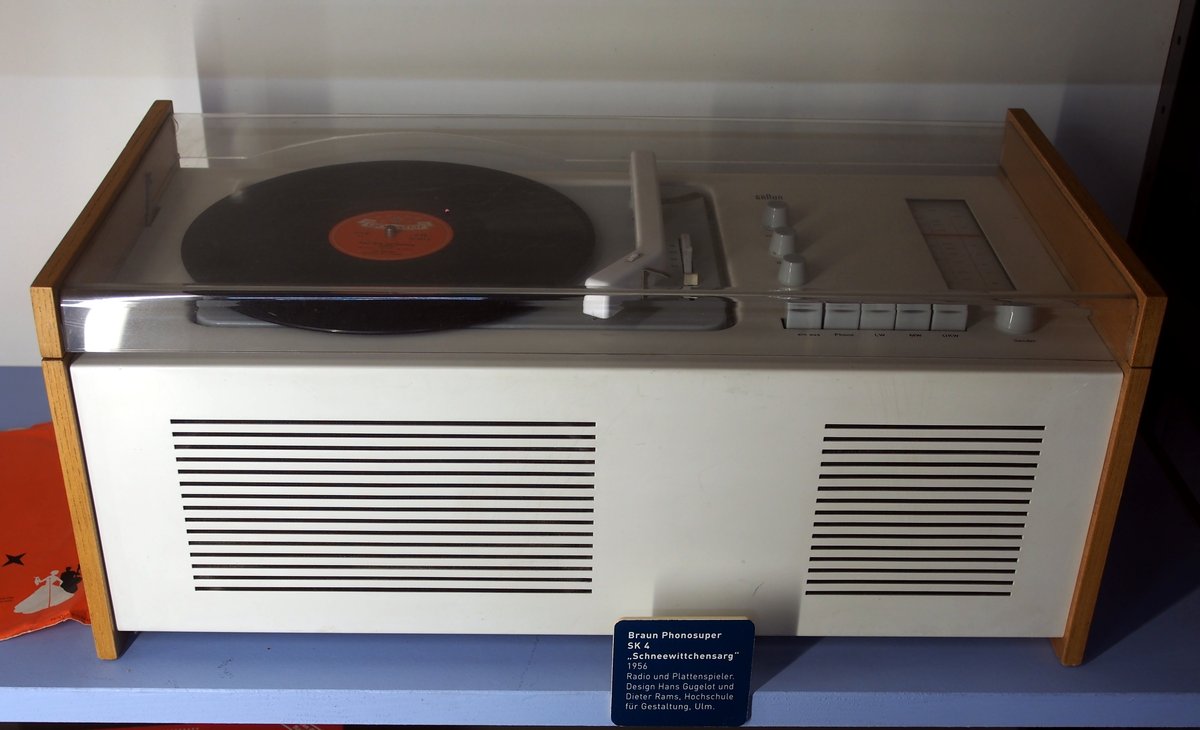
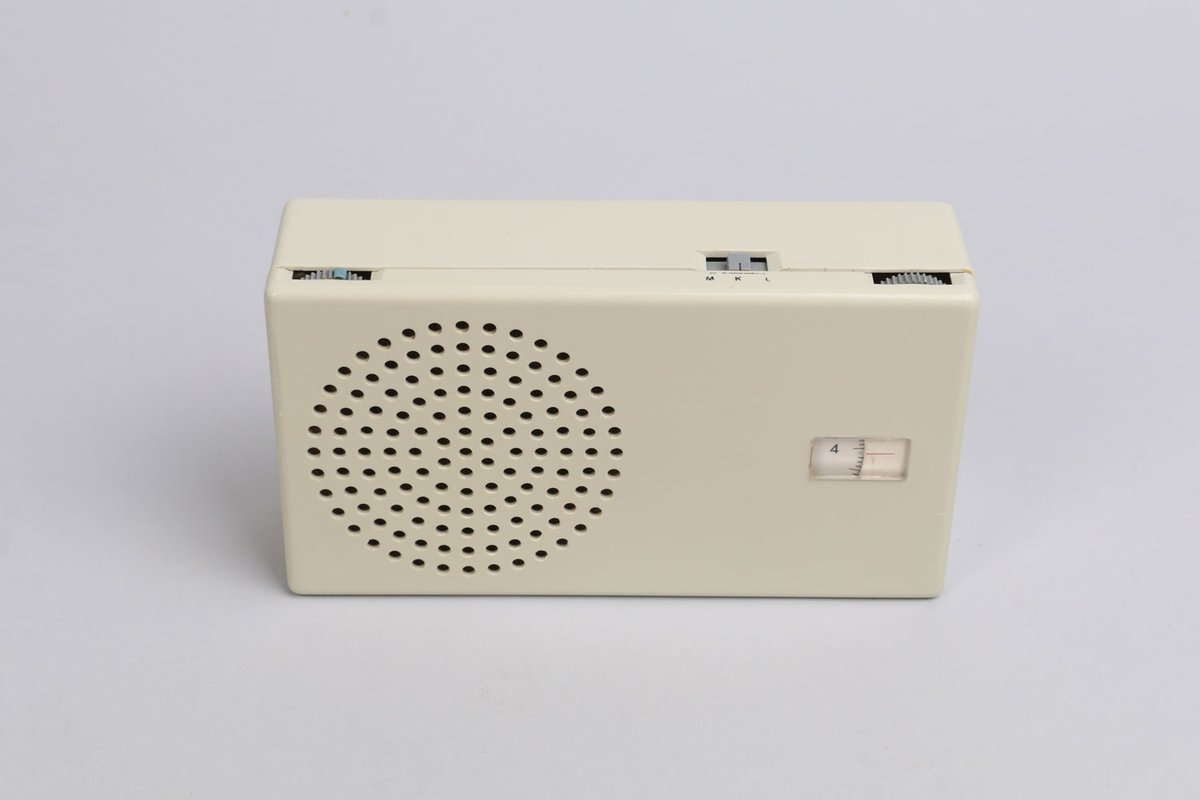
In 1955 the German appliance maker Braun hired a young architect named Dieter Rams, and he ended up running its design for decades: radios, record players, shavers, clocks, calculators. The look is white or gray boxes, corners rounded just a little, neat grids of holes, and a dot of color only where your finger goes. His motto was "less, but better." The 1956 SK4 radio-record player he did with Hans Gugelot had a clear plastic lid, so Germans nicknamed it "Snow White's coffin." He did furniture too: his 606 shelving for Vitsœ has been made since 1960. Apple's Jony Ive is a big fan. The first iPhone's calculator app was a tribute to Rams's ET66 calculator, and his pocket radios get compared to the iPod all the time.
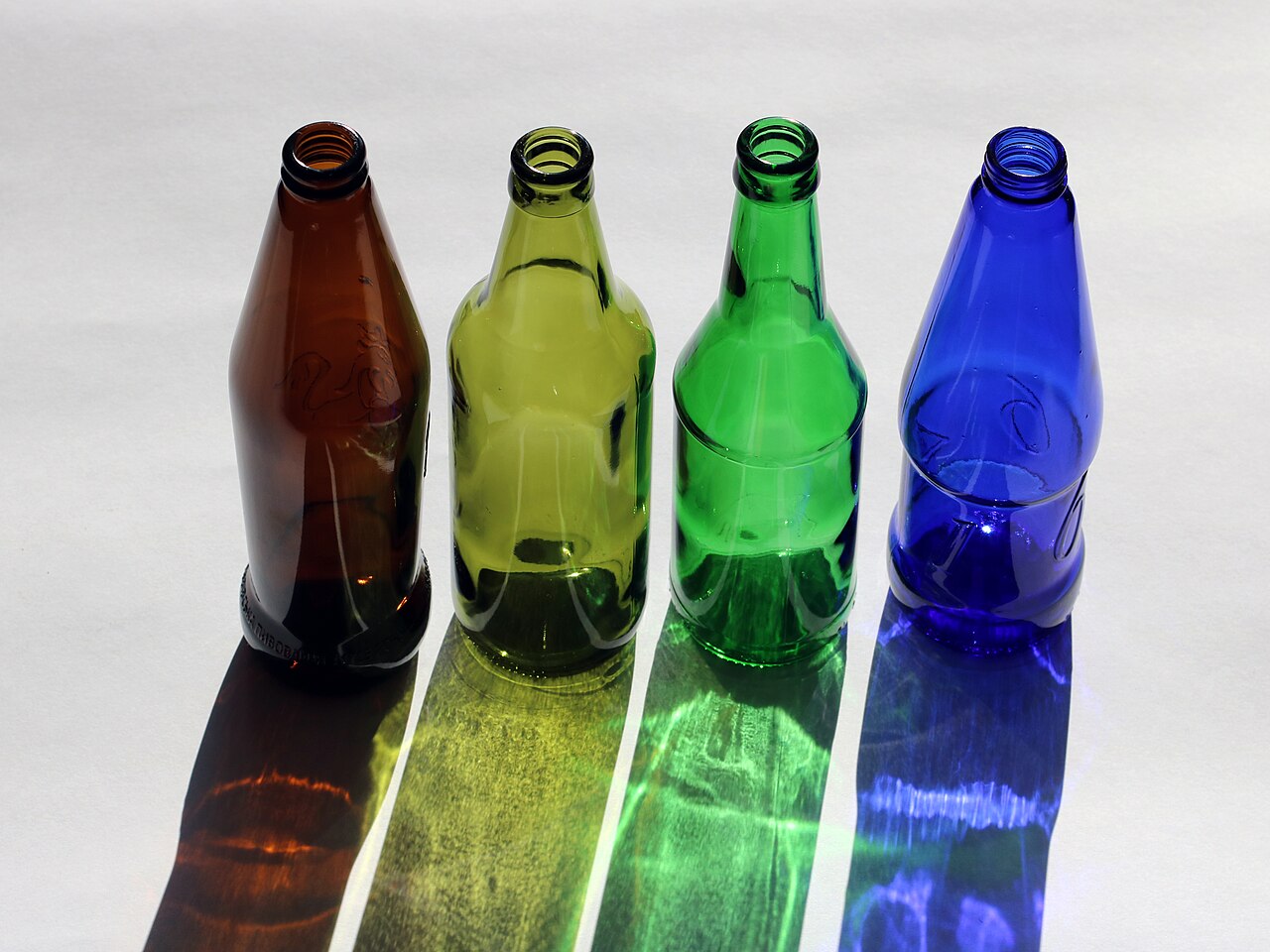
Skunky beer isn't old beer, it's sunburned beer. Light breaks down the bitter compounds from hops into a chemical called 3-methyl-2-butene-1-thiol, a close cousin of what a skunk sprays, and your nose can catch it at a few parts per trillion. In strong sun it can start in under ten seconds. Brown glass blocks most of the light that does it, green helps a little, and clear does almost nothing. That's how Miller High Life gets away with a clear bottle: it's brewed with a modified hop extract that resists skunking.